
Winter Driving Tips For Truck Drivers
Winter demands a different set of driving skills to manage snow and ice covered roads. Here are 9 tips to prepare you for navigating winter weather.
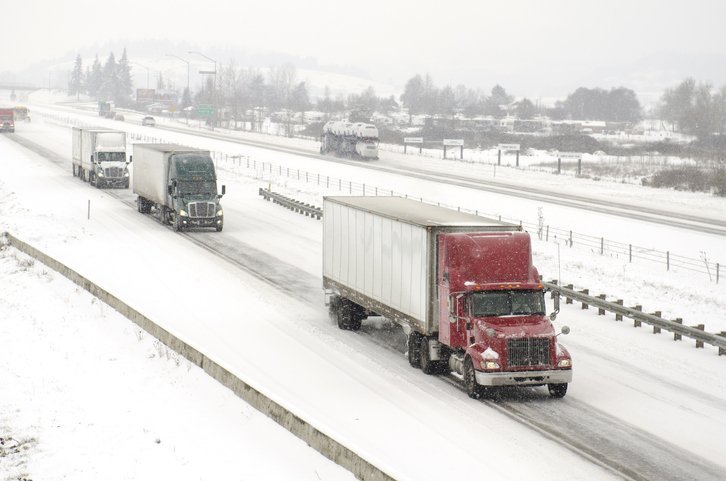
Every year winter brings us snow and ice to much of the United States and Canada. Even the Southern States at times can't escape cold temperatures. Arctic air patterns pushing south from Canada sometimes bring sleet and snow to Mexico. To prevent costly interruptions in your trucking service you must prepare for winter driving in cold and snowy conditions.
Let's Start with Tire Chains
An aid to preparations we recommend is planning which lanes you expect to run and checking tire chain laws in each state that affect you. Many states require drivers to carry chains; if you don't it could end up costing some of your hard-earned revenue in penalties. Planning your lanes and brushing up on states you are likely to drive in will keep you from facing fines and will surely make for safer driving for both you and the motoring public. Safety first. You'll find a state by state list of chain laws at:
Trucking Chain Laws by State | NHH Services, LLC
Before snow and ice are upon us, take the time to practice putting chains on your drive tires. It will make it somewhat easier and quicker to chain up during inclement weather and darkness while passing vehicles give off sprays of snow and slush.
Check the Weather Ahead
Tire chains provide trucks with added traction on slippery roads due to rain, sleet, snow or ice. Always check weather reports in states where you are traveling and be sure to inquire about road conditions and/or closures. Never travel blind during bad weather. This is especially important for new drivers and those with experience who are traveling new lanes. Use your CB communicator to check with drivers traveling in the opposite direction on how the roads are up ahead. You can reciprocate by offering them the same courtesy.
Also for new drivers, plenty of how-to videos for chaining up can be found on Youtube loaded with instructional tips and tricks that will help you to install chains quickly and easily just like a pro. You'll also learn how to care for your chains. And if you're lucky enough to have an experienced mentor to show you how to install your chains the hands-on experience will make it even easier to handle the job in any kind of weather.
Be on the Lookout
Watch out for snow blowing across a bare highway. This often creates a black ice condition which is impossible to see and can be very slippery. For you and the sake of the motoring public, pull off in a safe spot and chain up. Freezing rain is also incredibly treacherous to drive on without chains. And everyone knows the dangerous conditions of driving on snowy roads. Don't try to be a hero; take the time to chain up in these situations. Resist the temptation to make a delivery on time on poor road conditions. It could save lives.
Delays occur daily for truck drivers, and bad weather is often a cause. Shippers and receivers know this and while they may not like it, they will deal with it. It's an understood fact of the transportation industry. Better to delay in order to install chains and then drive at a safe, reduced speed than to not show up at all.
Take it Easy
Above all, never hammer down in bad weather hoping to achieve more home time with family when you finish a run. Your people really want to know and rely on the fact you're driving safely on your trip. They realize that bad weather takes you more time to finish your trips. They miss you, of course, while you're away but will miss you more if you don't make it home. Stay in touch and keep them informed of when you expect to finish, just like you would with dispatch.
Pack Extra Provisions
Make sure your cell phone is charged up and ready in case of an emergency or delay. You must be able at all times to communicate when things don't go as planned. In winter, you must allow for and expect the unexpected. Carry ample food and drinking water in case you get stranded by a road closure due to a blizzard or crash blocking your route.
Pack clothing and boots that suit any climate you will encounter. Extra blankets are a must in case of no fuel situations while you wait for rescue. Having an auxiliary power unit [APU] that will keep you warm will help you to save fuel by not running the truck engine. It can also power a coffee pot and microwave oven for your convenience and safety during emergencies. Carry easy-to-prepare extra foods just in case.
Ten Winter Driving Tips
- Slow Down -- Perhaps the primary advice is to slow down. Drive at a speed that suits the road conditions. Always extend and keep a safe distance behind the vehicle in front of your truck. Stopping distance is critical on snow or ice and can be worsened by harsh braking that can result in a dangerous skid. If you haven't had skid control training it's time to get it. Lives may hang in the balance, yours included.
- Keep Your Distance -- Never drive in a pack. Traffic tends to do this. Try to travel alone to leave as much distance between your truck and other vehicles to avoid having to make panic stops which often cause road closures and injuries in bad weather. Keep a sharp eye on the road ahead and always avoid distractions. In low visibility conditions which often occur during snow, fog, or rain, never try to drive by watching the tail lights of a vehicle ahead. Doing so reduces your stopping distance unacceptably.
- Stay Off the Road -- If you're parked and the weather is bad, don't leave. Nervous driving is not necessarily cautious driving. Call dispatch and inform them that you're going to be late and just stay put until it's safe to leave.
- Bring Kitty Litter -- If you are parked on ice, kitty litter will give your tires the traction they need to move off of the ice.
- Change Up Your Fuel -- Fill up with a blend of fuel with winter additives designed to handle weather where you're headed. This may require keeping a lower level of fuel at the beginning of your trip, then adding fuel blended for winter weather when you reach that point. Read our post on how to select the best oil for your truck.
- Check Your Lights -- Always clear snow and ice from your lights and tags whenever you stop. It will help others to see your truck and keep back a safe distance especially in low visibility conditions.
- Pre and Post Trip Inspections -- Don't forego your pre and post trip inspections just because it's snowing and cold or icy. Make sure all systems are working properly and clear the wipers and washers. Be sure to fill the windshield washer tank with fluid made for the season. Clear all glass and mirrors of snow and ice. Carry deicer for air systems and fuel conditioner for fuel tanks to keep the diesel from forming wax and clogging lines and filters. Clean snow and ice from the top of your trailer.
- Bridge Laws -- Winter conditions can make bridge travel dangerous, and ice and snow can also reduce actual clearance heights. Make sure you understand truck height restrictions and bridge clearance for the states you're driving in.
- Avoid Using Your Jake Brake or Hand Brake -- Using your Jake brake in slippery conditions like ice and snow can be very dangerous. If your truck is not lined up and straight when using your Jake brake, you risk jackknifing.
- Don't Forget Your Chains -- Last of all, don't forget your chains. And use them when you need to for added traction on slippery roads.\Avoid Using Your Jake Brake or Hand Brake
Related articles: